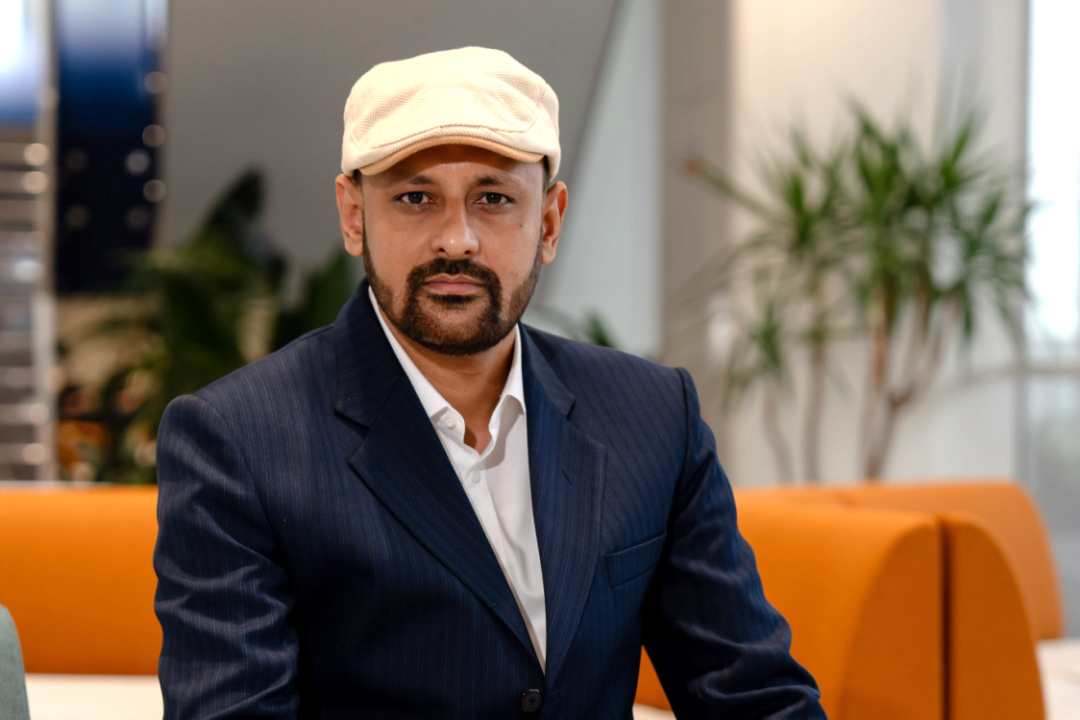
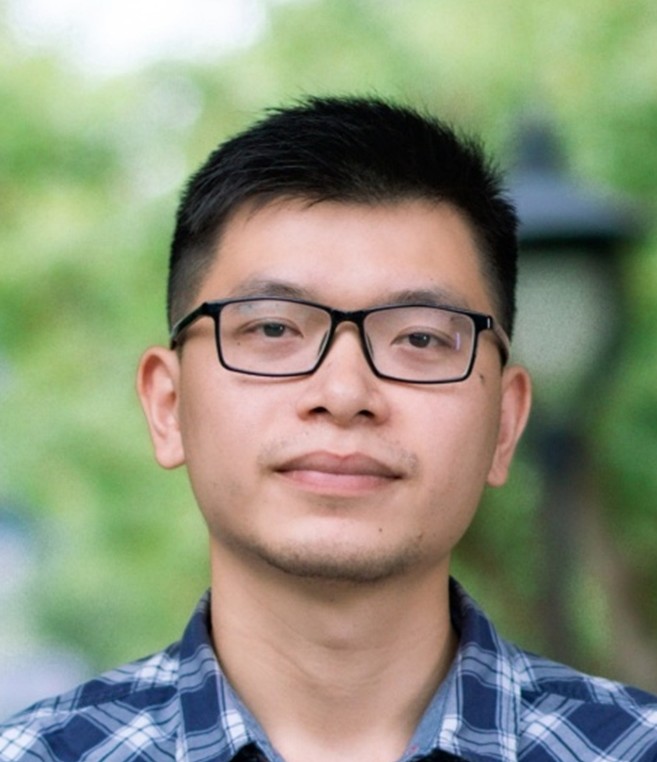
Sin-Yeang (Ronald) Teow
-
Position:Associate Professor of Biology
-
College:College of Science, Mathematics and Technology
-
Office:CSMT 335
-
E-mail:
EDUCATIONAL BACKGROUND
B.S. (Hons) in Biotechnology, 2010
University of Sunderland, United Kingdom
Ph.D. in Molecular Virology and Oncology, 2015
University Science Malaysia, Malaysia
BIOGRAPHY
After PhD completion, Ronald obtained his post-doctoral training in the National Institute of Health, Institute for Medical Research Malaysia, investigating the pathogenicity of Epstein-Barr virus (EBV) in the development of nasopharyngeal carcinoma (NPC) using multicellular and xenograft models. In 2016, he joined Sunway University, Malaysia as a Research Fellow and was awarded the Vice Chancellor Early Career Researcher in 2018. He was then promoted to Associate Professor in 2022 before joining WKU in Spring 2023. Ronald has published more than 76 peer-reviewed academic papers including 1 patent and several invited book chapters. He also actively serves as a journal reviewer for top-tier journals such as Molecular Cancer, Carbohydrate Polymers, Journal of Medicinal Chemistry, and Journal of Nanobiotechnology. He has been listed in the world top 2% scientists (by Stanford University) consecutively in years 2022-2025.
RESEARCH INTEREST
Ronald’s current research focuses on developing potent anticancer nanomaterial-based therapeutics and nanocarriers against solid tumors, particularly in colorectal cancer using in vitro and ex vivo culture models.
COURSES TAUGHT
General Biology II (B.S.)
Histology (with Laboratory) (B.S.)
Cancer Biology (B.S.)
Molecular Biology of Cancer (M.S.)
Molecular Cellular Techniques (M.S.)
Advanced Molecular & Cellular Techniques (M.S.)
SELECTED PUBLICATIONS
-
Yin Y, Shi J, Lu D et al. 5-Fluorouracil loaded copper aluminum layered double hydroxides inhibit colorectal cancer cells by inducing oxidative stress, mitochondrial membrane depolarization, apoptosis, and cell cycle arrest. Bioorg. Chem. 2026, 110241.
-
Teow SY, Lim HX, Yin Y et al. Antitumor activity of silver (Ag) complexes in colorectal cancer cells by oxidative stress and apoptosis induction. Ther. Deliv. 17(4), 313-323.
-
Teow SY, Yin Y, Neeroa BNHM et al. Copper (I) complexes inhibit colorectal cancer cells by inducing oxidative stress and cell apoptosis. J Mol. Struct. 2025, 1341, 142616.
-
Hu Y, Yin Y, Shi J et al. Bismuth oxide nanoparticles inhibit HCT116 colorectal cancer cells by inducing apoptosis, cell cycle arrest and ROS production. Process Biochem. 2025, 148, 124-138.
-
Chan HY, Ramasamy TS, Chung FFL et al. Role of sirtuin 1 (SIRT1) in regulation of autophagy and nuclear factor-kappa Beta (NF-ĸβ) pathways in sorafenib-resistant hepatocellular carcinoma (HCC). Cell Biochem. Biophys. 2024, 82(2), 959-68.